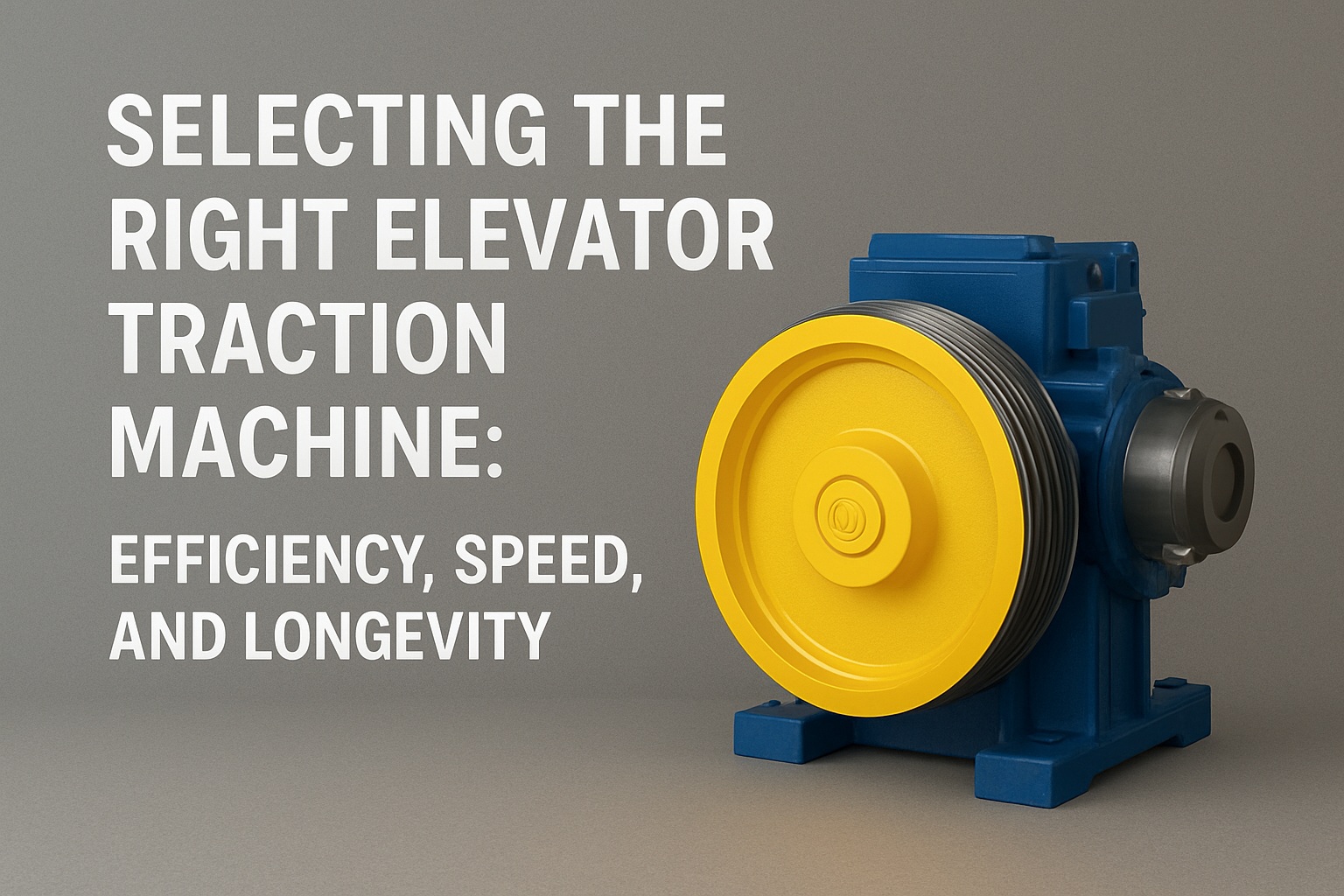
Traction machines in the elevator are the backbone of contemporary vertical transit, propelling the speed, efficiency, and performance of the elevator in buildings from low-rise apartment complexes to giant skyscrapers. Selecting the right elevator traction machines calls for a thorough knowledge of technical aspects, building design requirements, and the overall performance objectives over a longer period.
This article explores the vital factors affecting the choice process, providing information rooted in current developments and practical applications to deliver maximum performance as well as sustainability.
Understanding Elevator Traction Machines
The traction motor is the central component responsible for propelling an elevator, utilizing a motor and pulley mechanism to drive the car both upwards and downwards through steel ropes or a belt. It has an immediate influence on energy usage, the comfort of the ride, and the requirement for upkeep. With improvements in motor technology and energy conservation designs coming at a rapid rate, the choice depends on weighing the initial investment, operating efficiency, and lifespan versus the unique requirements of a building.
Types of Traction Machines
There exist two major types of elevator traction machines with different properties to fulfill different requirements: geared and gearless.
- Geared Traction Machines: These employ a gearbox to lower the speed of the motor prior to delivering it to the sheave. These machines are economic to install and the initial investment costs are usually lower than gearless machines. They are best suited to low- to mid-rise buildings (1-12 stories). Geared machines, usually AC motor powered, reach speeds of 500 fpm and are capable of moving loads of 13,000 kg. These machines are less efficient because of the losses of energy in the gearbox and generate somewhat higher noise and vibrations.
- Gearless Traction Motors: These directly tie the motor to the sheave, bypass the gear for increased efficiency and smoother performance. Mid- to high-rise buildings (7+ stories) are typically best served with gearless machines, which utilize permanent magnet synchronous motors (PMSMs) and achieve speeds to 4,000 fpm. Energy-efficient and space-saving, the gearless machines are best for high-traffic areas but at a higher initial investment.
- Machine Room-Less (MRL) Traction Machines:A subcategory of gearless systems, MRL machines combine the motor and control systems inside the elevator shaft, conserving space and lowering installation costs. Machine rool less elevators are already favored for low- to mid-rise buildings because they are energy-efficient and contain no oil or lubricants, reducing the risk to the environment.
Synchronous vs. Asynchronous Motors
The motor design in a traction machine has a significant impact on performance. Synchronous traction machines, based on PMSMs, keep the rotor speed in sync with the grid frequency, providing better efficiency and control, particularly at low speeds. They are best for high-rise applications with a demand for precision and energy conservation. Asynchronous machines, with less complex designs and lower setup costs, are less efficient at part loads but are still applicable to low-traffic, low-rise buildings.
Efficiency: Propelling Sustainable Vertical Transportation
Energy efficiency has become an increasingly important factor in contemporary elevator systems, with the elevator system accountable for 2-15% of a building’s overall energy consumption, 80% of which takes place while the elevator system is in standby. Improvements in elevator traction machines have centered on minimizing both operating and standby energy usage, in accordance with the globe’s sustainability initiatives.
Regenerative Drives and Energy Savings
Regenerative drives transfer energy harvested while descending or braking to the building’s electrical grid. Regenerative drives can save as much as 30-40% in energy compared to conventional geared systems. Regenerative drives are utilized in Mitsubishi Electric’s Diamond HS ™ elevators to optimize efficiency in tall building applications.
Variable Voltage, Variable Frequency (VVVF) Drives
VVVF drives optimize motor performance by regulating voltage and frequency in accordance with load and speed demands. VVVF drives are now a common feature in both gear and gearless machines, cutting energy consumption and providing a smoother ride. A study on VVVF drives in hydraulic elevators resulted in an energy saving of as much as 65% in modernization installations, hinting at the same gains in traction systems.
Standby Mode Optimization
A large percentage of elevator consumption occurs in standby mode, especially in low-occupancy buildings. Elevator traction machines of today feature advanced control systems whereby the non-essential parts shut down during idle hours. An example includes Schindler’s MRL lifts having gearless motors and optimized control units to reduce standby losses.
Case Study: Retrofitting the Empire State Building
The 2011 retrofit of the Empire State Building replaced the aging geared traction machines with gearless PMSM units featuring regenerative drives. This replacement cut elevator energy usage by 40% to save around 1,200 MWh a year. The project illustrates the potential of updating elevator traction machines to bring substantial energy improvements in high-traffic, high-rise facilities.
Speed: Aligning Performance to Building Requirements
Elevator speed is a vital aspect of elevator performance, especially in tall buildings where large distances to be traversed and peak traffic calls for swift transit. Selection of traction equipment has a direct effect on speeds attainable and passenger comfort.
Speed Capabilities of Geared vs. Gearless Machine
Geared traction machines are restricted to a speed of around 500 fpm and are therefore best suited to low- and mid-rise buildings with medium traffic. Their gearless counterparts support a maximum speed of 4,000 fpm, as used in the Shanghai World Financial Center. For a super-high-rise building, gearless machines with the use of advanced roping schemes (2:1 or 4:1) provide a greater speed with efficiency.
Effects of Roping Configurations
Roping arrangements impact speed and load. A 1:1 roping system has the motor mounted directly to the car, which makes it best for applications requiring high speed. A 2:1 system, in which the rope travels twice the distance of the car, decreases the motor's speed while increasing its load capacity, which makes it best used in freight or high-capacity elevator installations. The latest roping technology, such as Otis’s Gen2 polyurethane belts, decreases weight and friction, allowing for smoother and faster movement.
High-Speed Applications
The standard for over 15-storyhigh rise buildings is gearless synchronous machines. Mitsubishi Electric’s fast speed traction elevators, employed in a project such as the Burj Khalifa, operate at speeds of up to 3,500 fpm and feature aspects such as sfleX-rope™ technology to reduce rope vibrations and stretching. The systems provide fast transit while ensuring comfort for the passengers.
Longevity: Providing Sustainability and Low Maintenance
The lifespan of elevator traction machines will vary according to design, materials, and the requirements of maintenance. A properly selected machine will last for decades, minimizing downtime and repair expenses.
Material and Design Advancements
PMSM gearless machines are built to last, with fewer parts than the system of gears, minimizing wear and tear. Non-asbestos brake linings and the application of material with a high strength, such as FC25 gray cast iron, maximize lifespan while reducing the requirement for upkeep. Cheng Day's gearless PMSM machines, for instance, are built to last at 5-40°C temperature with low vibrations, guaranteeing dependable performance over the longer term.
Maintenance Issues
Geared machines require regular maintenance due to gearbox wear and lubrication needs, increasing long-term costs. Gearless and MRL systems, with no gearboxes and oil-free designs, reduce maintenance frequency. Stanley Elevator’s modernization process emphasizes replacing outdated DC motors with AC PMSM motors to eliminate issues like carbon brush dust from motor generators, improving reliability.
Safety Characteristics and Endurance
New elevator traction machines feature enhanced safeguard mechanisms, including double disk brakes and overspeed governors, to avoid mechanical breakdowns. These units, as found in Mitsubishi Electric’s Diamond HS™ elevators, promote safe performance over the life of the equipment and adherence to codes such as ASME A17.1. Normal inspections and upgrades during modernization can increase equipment life, as in the case of the Woolworth Building’s gearless elevators, still in service since a century ago with the right upgrades.
Key Considerations for Selection
Choosing the optimal elevator traction machine involves matching technical specifications to building conditions. The following factors are the essentials to consider:
Building Height and Traffic
- Low-Rise (1-6 stories): Geared or asynchronous machines prove to be economical and adequate for low-traffic buildings.
- Mid-Rise (7-12 stories): Asynchronous or MRL gearless machines trade-off between efficiency and cost for medium traffic.
- High-Rise (over 13 stories): High-traffic, high-speed applications demand gearless synchronous machines.
Energy Efficiency Objectives
Facilities seeking a sustainability certification such as LEED should first consider gearless machines with regenerative drives and VVVF controls. These units save energy and operating expenses, as demonstrated in the retrofit of the Empire State Building.
Space Constraints
MRL traction machines are perfect for space-restricted buildings since they do not require a special machine room. This comes especially in handy in urban areas where space is limited.
Budget and Lifecycle Costs
Though the initial investment for gear machines is less, gearless machines are more valuable in the longer run since they save energy and maintenance costs. A lifecycle costing approach incorporating initial investment, energy charges, and servicing expenses is vital for effective decision-making.
Case Study: Shanghai Tower
Mitsubishi Electric gearless traction machines with regenerative drives and intelligent doors are utilized in the world’s tallest building, the Shanghai Tower. These machines reach speeds of 3,600 fpm while conserving energy and ensuring comfort for passengers, showcasing the value of balancing the choice of machines with the building’s height and traffic conditions.
Emerging Trends in Elevator Traction Machines
The elevator industry has been constantly evolving with new developments improving the functionality of elevator traction machines.
Smart Control Systems
Smart control systems, such as the PORT technology of Schindler, maximize traffic flow and minimize energy consumption by dynamically distributing elevators according to the demand of passengers. These systems combine with gearless machines to enhance efficiency and save time.
Flat Steel Belts
Traditional steel ropes are being substituted with flat steel belts, as in Otis’s Gen2 and Schindler’s Suspension Traction Media. These flat steel belts are lighter, don't need to be lubricated, and save energy while offering a better ride quality.
Electromagnetic Levitation
New technology such as electromagnetic levitation, seen in ideas such as the vertical subway, has the potential to transform the elevator traction machine by removing physical ropes and minimizing friction. Though not yet standard, these technologies are poised to redefine skyscraper transit.
Practical Steps for Decision-Makers
To choose the proper elevator traction machine, take the following steps:
- 1. Assess Building Suitability: Determine height, traffic flow, and space availability.
- 2. Define Performance Goals: Balance speed, efficiency, and cost according to building usage.
- 3. Consult Experts: Collaborate with licensed elevator specialists to evaluate technical requirements and compliance with codes such as ASME A17.1.
- 4. Conduct Lifecycle Analysis Balance the initial and operating costs to maximize long-term value.
- 5. Plan for Modernization Select equipment that can be easily updated to advance performance and efficiency.
Conclusion
The choice of the elevator traction machine is a strategic decision and has an effect on a building's efficiency, passenger comfort, and life-cycle costs. Considering the differences between gearless, geared, and MRL systems as well as energy efficiency, speed, and lifespan, building developers and architects can make intelligent decisions. Real projects, such as the Shanghai Tower and the Empire State Building, prove the transformative nature of cutting-edge traction machines.
With new technologies, such as flat steel belts and intelligent controls, the future of vertical transport can bring even more efficiency and innovation. By giving the greatest importance to proven facts and consulting experts, decision-makers can guarantee their elevators address both short-term and upcoming demands.
